
How Can Records Show Poor Truck Maintenance Caused Crashes?
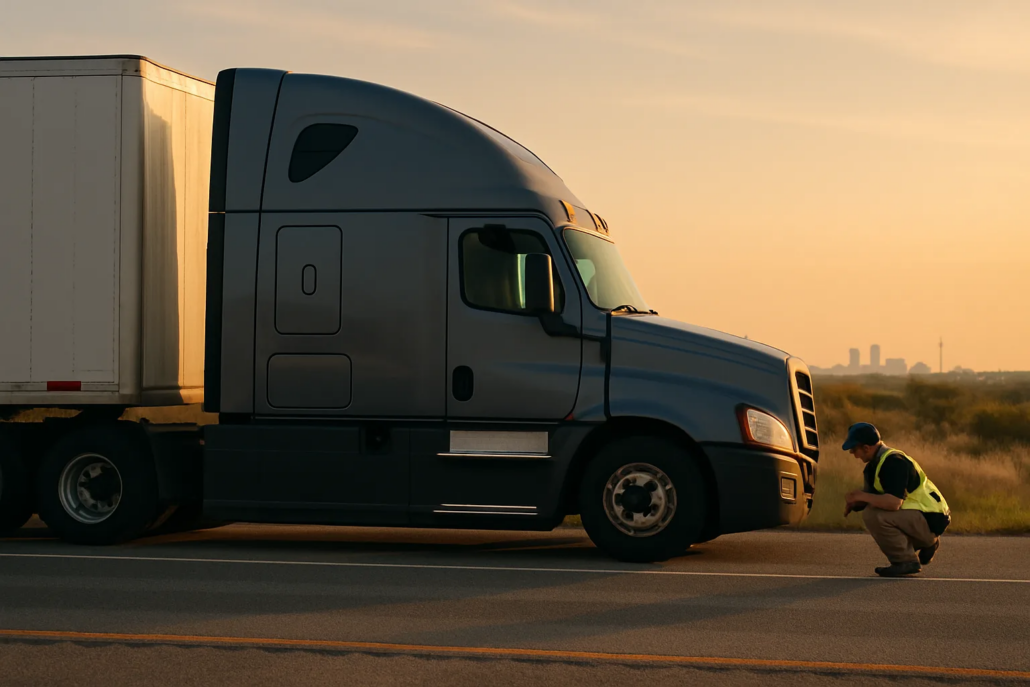
A mechanical failure can turn an ordinary trip on a San Antonio highway into a serious collision. When a tractor-trailer cannot stop, a tire fails, steering components break, or lights do not function properly, the visible damage at the scene may not explain what happened. In a San Antonio truck accident involving poor maintenance, responsibility usually depends on evidence developed after the crash, not on assumptions made from a damaged vehicle alone.
For readers considering preserving truck crash evidence such as inspection records and photographs, Husain Law provides a knowledgeable starting point for understanding the investigation. This article explains who may be responsible, what evidence can connect a maintenance failure to a collision, and why prompt, qualified analysis matters under Texas law.
Could a San Antonio Truck Accident Involve Poor Maintenance Liability?
A trucking company may be responsible if it failed to maintain, inspect, repair, or remove an unsafe commercial vehicle from service and that failure contributed to the crash. However, proving liability generally requires more than showing that a truck had a broken part after impact. The investigation must consider what condition existed before the collision, whether someone knew or should have known about it, and whether the condition caused or worsened the crash.
Mechanical problems that may require investigation
Potential issues can include:
- Worn or improperly adjusted brakes, including air-brake components;
- Tire damage, inadequate tread, improper inflation, or a prior repair problem;
- Steering, suspension, axle, or coupling failures;
- Inoperable headlights, brake lights, turn signals, or reflective equipment; and
- Missed inspections, overdue repairs, or repeated out-of-service conditions.
Texas commercial vehicles may be subject to state and federal safety requirements, but the applicable rule depends on the vehicle, operation, and facts. A suspected violation can be important evidence, yet it does not automatically prove that the violation caused the collision. Conversely, a truck may appear compliant at one inspection and still develop or conceal a dangerous condition later.
Who performed the maintenance?
Responsibility may involve a motor carrier, fleet manager, owner-operator, leasing company, or outside repair facility. The answer may depend on contracts, maintenance assignments, control over the vehicle, inspection practices, and what each party knew. An independent-contractor label alone does not resolve the issue; examining whether a contractor label shifts San Antonio truck liability may help clarify which relationships require closer review.
What Evidence Can Show Poor Truck Maintenance?
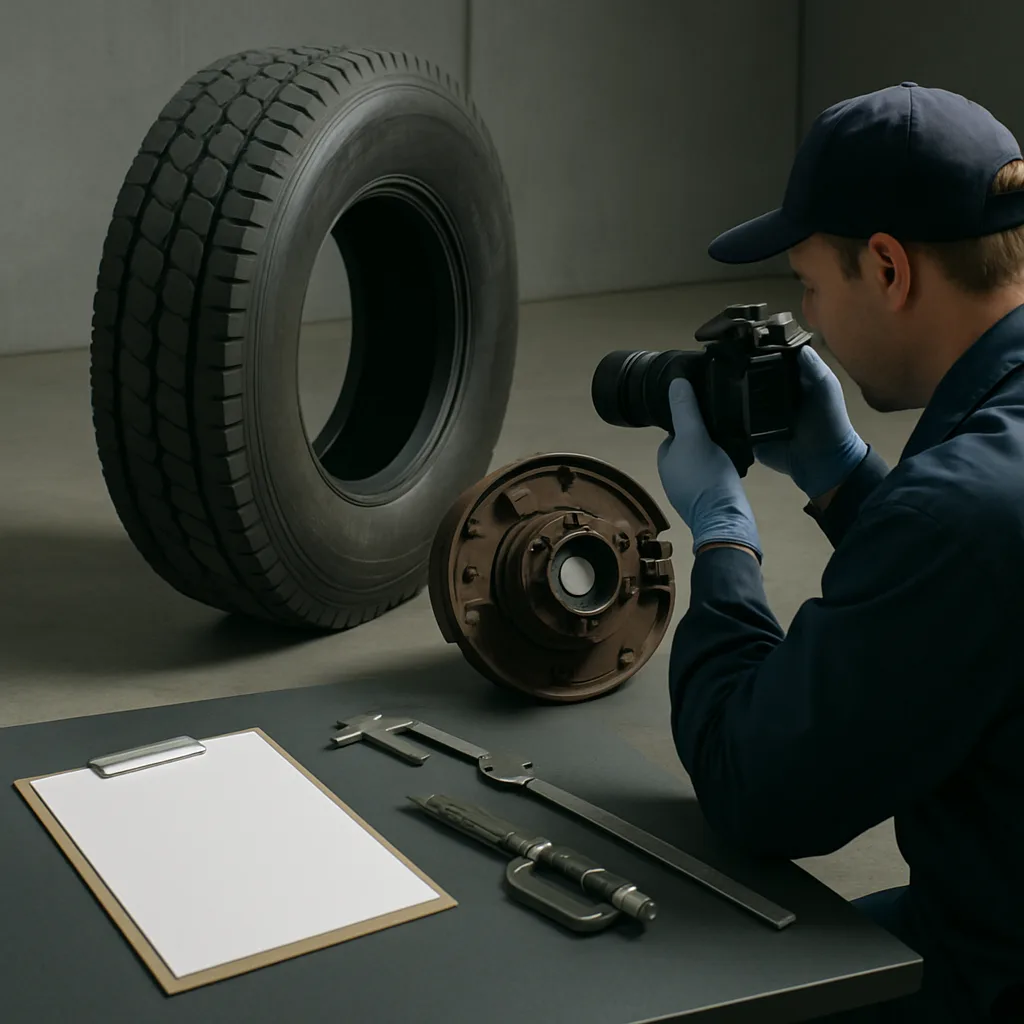
A post-crash examination should be handled carefully because damaged components can be removed, repaired, discarded, or altered. Photographs of the truck and roadway can preserve useful context, but they rarely answer every technical question. A qualified investigator or engineer may need to inspect the vehicle, document component condition, and distinguish crash damage from a pre-existing defect.
Important evidence may include:
- Inspection and repair records. Commercial truck maintenance records may show recurring brake, tire, lighting, or steering concerns; parts replaced; work orders; inspection dates; and whether repairs were completed.
- Post-crash photographs and physical evidence. Detailed images can document tire markings, brake components, fluid leaks, broken parts, warning indicators, and the vehicle’s condition before it is altered.
- Electronic and operational data. Depending on the vehicle and circumstances, event data, electronic control module information, onboard diagnostics, or inspection-system records may help establish speed, braking, or mechanical conditions.
- Witness and driver information. Statements about unusual noises, pulling, vibration, warning lights, repeated complaints, or failed braking may provide leads, although recollections should be evaluated with other evidence.
- Carrier compliance materials. Inspection violations, repair histories, driver defect reports, and records showing that a vehicle was placed back in service can help identify patterns or notice.
The key question is not simply whether a tire blew out or a brake component broke. It is whether the component was defective or inadequately maintained before the crash, whether a responsible party had notice or should have discovered the problem, and whether that condition caused the loss of control, increased stopping distance, or otherwise contributed to the collision. A qualified analysis should account for alternative causes, including roadway conditions, loading, driver conduct, and impact damage.
Why Prompt Investigation Matters After a Mechanical-Failure Crash
A truck may be moved from the scene, repaired, sold, or returned to service before all parties understand its condition. Maintenance records can also be stored by different entities, including the carrier, a leasing company, a repair vendor, or a parts supplier. Promptly identifying the vehicle and sending appropriate preservation communications may help reduce the risk that important evidence disappears.
Avoiding assumptions and common mistakes
People sometimes assume that a trucking company is automatically liable because it owns the vehicle. They may also assume that a visible tire failure proves negligence. Neither conclusion is necessarily correct. A careful investigation should separate:
- The existence of a mechanical problem;
- The party responsible for inspecting or repairing it;
- Whether that party knew or should have known about the condition; and
- The causal connection between the condition and the crash.
A maintenance case may also overlap with other legal theories. For example, evidence concerning trucking company hiring and supervision decisions after a crash may be relevant if the company assigned safety duties to personnel who were not properly qualified or supervised. That issue is distinct from proving that a specific brake, tire, or steering defect caused the collision.
Insurance can add another layer. A claim may involve the insurance policies involved in a San Antonio commercial truck crash, including coverage connected to a carrier, owner-operator, leasing arrangement, or repair business. Identifying potentially responsible entities early can help determine which records and policies need to be evaluated.
The applicable Texas filing deadline may also affect the investigation. Readers can review information about the Texas deadline for a San Antonio truck accident claim, but deadlines and exceptions can depend on the parties and facts. In San Antonio, prompt legal review may be important when physical evidence or maintenance documents could be lost.
Frequently Asked Questions
Does a blown truck tire automatically prove the carrier was negligent?
No. A tire failure may result from many causes, including road debris, an unexpected impact, improper inflation, tread wear, a manufacturing issue, or inadequate maintenance. Establishing negligence generally requires examining the tire’s condition before the crash, inspection and repair history, loading and operating conditions, and whether the failure contributed to the collision. A qualified analysis may be needed before responsibility can be evaluated.
Can a repair shop be responsible for a commercial truck crash?
Possibly, depending on the work performed, the condition of the vehicle, and evidence that the shop’s mistake or incomplete repair contributed to the crash. Maintenance responsibility may be divided among a carrier, owner-operator, fleet manager, and outside vendor. Work orders, invoices, technician notes, replaced parts, and inspection records may help determine what was requested and whether the repair addressed the reported problem.
What should someone photograph after a San Antonio truck crash?
When it is safe and permitted, photographs may document vehicle positions, visible component damage, tire marks, roadway conditions, debris, lighting, and surrounding traffic controls. Images should not replace medical care or interfere with emergency operations. Because some evidence is technical or inaccessible at the scene, a later inspection and preservation process may be needed to evaluate whether poor maintenance contributed to the crash.
Can maintenance records be obtained if the trucking company will not provide them?
Access may depend on the stage of the claim, the parties involved, and the applicable Texas procedure. An attorney may use formal requests or other lawful methods to seek relevant records, while also asking that the vehicle, components, electronic data, and documents be preserved. The existence of a request does not guarantee that every record will be available or establish liability by itself.
How Husain Law Can Help
Husain Law is dedicated to helping injured people understand the evidence and legal issues that may arise after a commercial truck collision. The firm is committed to fighting for clients’ rights through a careful review of inspection and repair records, photographs, vehicle evidence, responsible-party relationships, and qualified technical analysis. When appropriate, San Antonio truck accident lawyers who can investigate mechanical failures may help evaluate whether a defect was present and whether it can be connected to the crash.
If you or a family member was involved in a San Antonio truck accident and poor maintenance may be a factor, contact Husain Law for a free consultation or case evaluation. The firm is ready to evaluate your situation and discuss potential legal options.
The information in this article is for educational purposes only and does not constitute legal advice. Contact a qualified attorney licensed in San Antonio, Texas for advice specific to your situation.


Leave a Reply
Want to join the discussion?Feel free to contribute!