
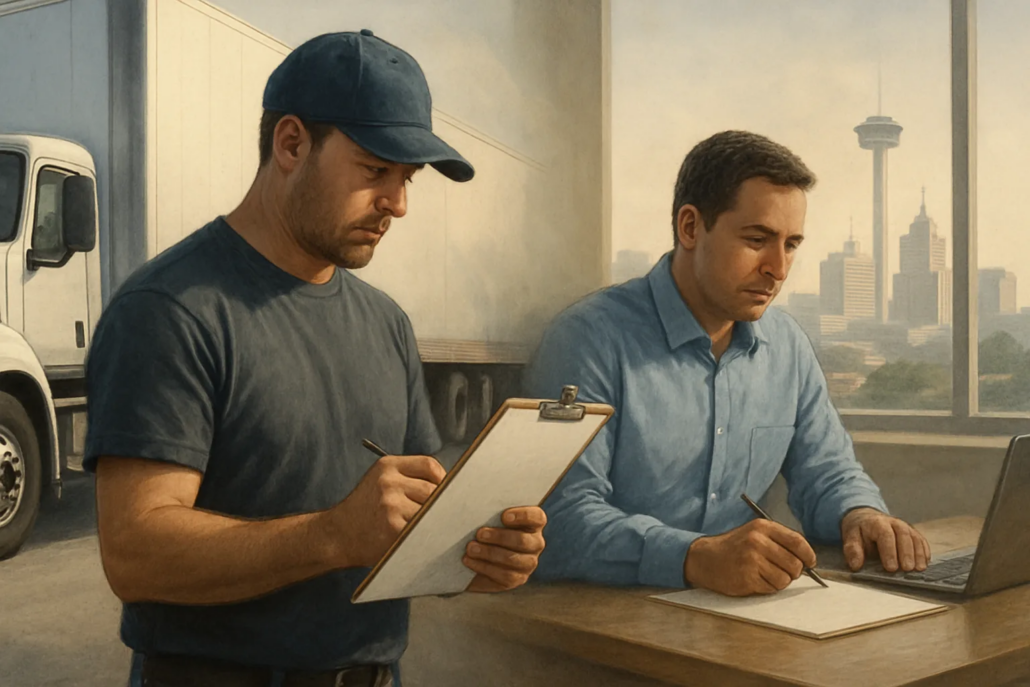
When Might a Crash Reduce a Texas Worker’s Earning Power?
A truck collision can change a person’s ability to work even when the person returns to a job. A commercial driver may no longer qualify for the same routes, a construction worker may be unable to lift or climb, or a healthcare employee may have to reduce shifts. Those changes raise an important question: Can truck injuries reduce earning capacity in San Antonio?
The answer depends on proof, not just an estimate of what someone hopes to earn. Past wage loss and future reduced earning ability are related but different damages. San Antonio truck accident lawyers may evaluate medical records, job requirements, work history, and vocational evidence to help explain the financial effect of a truck injury. Husain Law provides guidance on how these pieces may fit together.
This article explains the difference between missed wages and lost earning capacity, the evidence commonly used to support future income claims, and mistakes that can weaken the presentation of damages. It also discusses considerations that may arise in San Antonio, Texas, where workers often depend on physically demanding, driving, healthcare, logistics, and construction-related occupations.
How Is Lost Earning Capacity Proven After a San Antonio Truck Injury?
Past wage loss usually concerns income a person would have received during a specific period but did not receive because of the injury. Examples include missed shifts, unpaid leave, reduced hours, or time away from work while recovering. Pay stubs, tax records, time sheets, and employer statements may help establish this amount.
Lost earning capacity is broader. It concerns a person’s ability to earn income in the future, including the possibility that the person may need a lower-paying job, work fewer hours, leave a chosen occupation, or lose opportunities for advancement. A worker does not necessarily have to be completely unable to work to have this type of loss.
Examples across San Antonio occupations
Consider a commercial driver who can perform desk duties but cannot safely complete the physical tasks or medical requirements associated with long-haul or specialized driving. A construction worker may return to a job but be limited to lighter tasks, reducing access to overtime or higher-paid assignments. A nurse or other healthcare worker may remain employed but be unable to work full shifts, lift safely, or accept additional clinical responsibilities.
The relevant comparison is often between the person’s likely earning path without the injury and the earning path reasonably expected with the injury. That comparison should account for work history, skills, education, age, career progression, and documented restrictions rather than relying on speculation.

What Evidence Supports Future Lost Wages After an 18-Wheeler Accident?
A future income claim generally requires evidence connecting three points: the collision caused an injury, the injury affects work-related abilities, and those limitations are likely to reduce future earnings. In San Antonio, Texas, this may involve records from treating providers, employers, payroll departments, and vocational or financial professionals.
Medical and vocational evidence
Medical evidence may describe restrictions involving lifting, standing, sitting, driving, concentration, stamina, or repetitive movement. It should reflect the person’s actual condition and course of care; an article cannot determine what restrictions apply to any individual. Even an injury without a fracture may affect work through pain, cognitive symptoms, reduced endurance, or other documented limitations. Readers can review this discussion of medical support for truck injury work limitations for related context.
A vocational professional may compare the worker’s pre-collision occupation with available work after the injury. The analysis could consider whether the person can maintain prior hours, perform essential tasks, obtain required certifications, or compete for similar jobs. For a driver, this may involve the effect of restrictions on qualifying for particular driving duties. For a construction worker, it may involve access to physically demanding positions. For a healthcare employee, it may involve schedule and patient-care demands.
Financial and employment records
Useful records may include:
- Pay statements, tax filings, payroll histories, and benefit information
- Job descriptions, performance reviews, schedules, and promotion records
- Documentation of modified duty, missed overtime, reduced shifts, or job changes
- Medical restrictions and communications about work capacity
- Information about education, certifications, prior occupations, and career plans
Readers may also find it useful to review what evidence to preserve after a San Antonio truck crash because employment proof can become harder to collect as time passes.
What Process and Mistakes Matter in a Truck Injury Work-Limitations Claim?
Future earning-capacity damages are often evaluated as part of the broader economic damages in a truck accident claim. The process may involve gathering records, identifying the person’s pre-injury career path, documenting current restrictions, and comparing realistic work alternatives. Depending on the circumstances, an attorney may consult medical, vocational, or financial professionals to explain the evidence.
Insurance representatives may focus on current wages and ask whether the injured person has returned to work. That question does not necessarily resolve future earning capacity. A person might return at reduced hours, accept less demanding work, lose overtime, or abandon a career path. Multiple commercial policies and claims representatives may also be involved. For related background, see insurance coverage after a San Antonio commercial truck crash.
Common problems include:
- Treating a return to work as proof that no future loss exists.
- Failing to document modified duties, missed promotions, or lost overtime.
- Assuming an expert projection can replace consistent medical and employment records.
- Ignoring transferable skills and realistic alternative occupations.
- Waiting too long to collect records from employers and healthcare providers.
Texas deadlines can affect the time available to investigate and present a claim. Because laws and deadlines vary by jurisdiction and may change, readers should review Texas deadlines for a San Antonio truck accident claim with a licensed attorney. Early documentation does not guarantee a particular result, but it may help preserve information needed to evaluate the claimed loss.
Frequently Asked Questions
Is lost earning capacity different from past lost wages after a truck crash?
Yes. Past lost wages generally concern income missed during a defined recovery period, such as unpaid shifts or reduced hours. Lost earning capacity concerns a potential reduction in future ability to earn. A worker may have future earning loss even after returning to employment if the injury limits hours, duties, overtime, promotions, certifications, or access to the same occupation. The evidence and calculation depend on the person’s facts.
Can a commercial driver claim future income loss if the driver still works?
Possibly, depending on the documented effect of the injury. A driver may remain employed but lose access to certain routes, endorsements, schedules, or physically demanding assignments. Medical restrictions, employer records, prior earnings, job requirements, and vocational evidence may help show whether the available work differs from the person’s pre-collision earning path. Returning to some work does not automatically answer whether earning capacity has changed.
What if my employer cannot offer modified work in San Antonio?
The availability of modified work may be relevant, but it is only one part of the analysis. Records showing restrictions, offered duties, reduced hours, job searches, and comparable employment opportunities may help explain the effect of the injury. A vocational assessment may consider whether alternative work is realistic based on skills, training, physical abilities, and local labor conditions. An attorney can explain how those facts may be evaluated.
Are future lost wages guaranteed in a Texas truck accident claim?
No. Future income damages must be supported by evidence and may be disputed. Texas law governs a claim involving a collision in San Antonio, but legal standards and procedures can vary by location and may change. Medical records, employment history, vocational opinions, and financial analysis may be relevant, but no particular recovery is assured. A licensed attorney can assess the facts and explain possible options.
How Husain Law Can Help
Husain Law is dedicated to helping injured people understand how a truck collision may affect both present income and future work opportunities. The firm can review employment records, medical documentation, job duties, and other evidence relevant to reduced earning ability. Its approach is committed to fighting for a fair evaluation of the full economic impact without promising a specific outcome.
If a truck injury has affected your work, hours, occupation, or advancement opportunities, contact Husain Law for a free consultation or case evaluation. The firm is ready to evaluate your situation and discuss potential next steps in light of the facts and applicable Texas law.
The information in this article is for educational purposes only and does not constitute legal advice. Contact a qualified attorney licensed in San Antonio, Texas for advice specific to your situation.


Leave a Reply
Want to join the discussion?Feel free to contribute!