

What Is a Truck Accident Insurer’s Exam in San Antonio?
After a commercial truck crash, you may be focused on treatment when an insurance representative asks you to attend a medical examination. A truck accident insurance medical examination is generally an evaluation arranged for the insurer’s purposes, not a substitute for care from your own providers. The request can raise practical questions: Who is asking, what will the visit cover, and how might the findings be used? In San Antonio, Texas, the answers can depend on which policy or claim is involved and whether a lawsuit has been filed. Husain Law helps people understand the issues that may arise in truck accident claims. This article explains an examiner’s role, how the visit differs from ongoing treatment, and why it is important to understand the request before responding.
What Does a Truck Accident Insurance Medical Examination Involve?
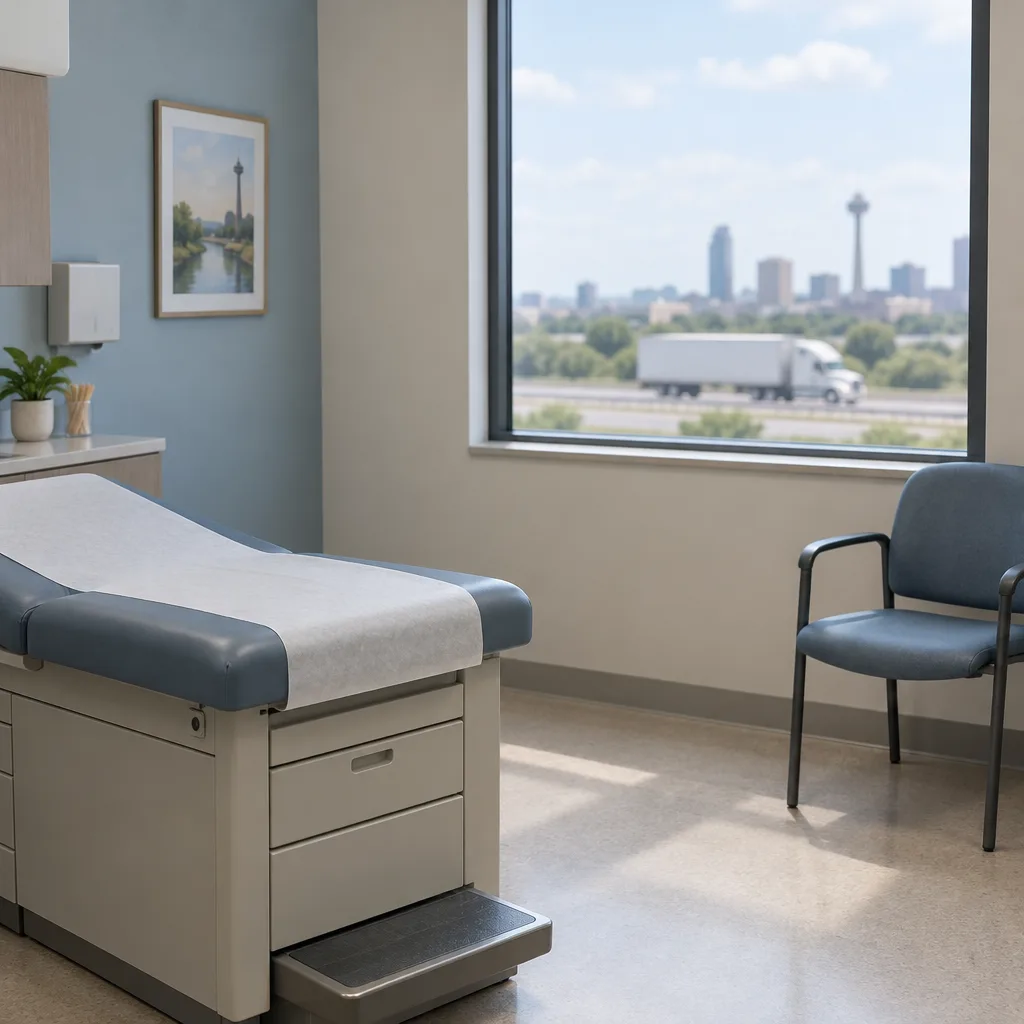
An insurer-requested examination is often described as an “independent medical examination,” or IME. That label can be confusing. The examiner may be a licensed health professional, but the insurer or another party typically arranges and pays for the evaluation. The examiner is not taking over your treatment, and the visit is not the same as an appointment with a provider who has been caring for you over time.
The purpose may be to assess issues relevant to the claim, such as the nature of reported injuries, their possible relationship to the collision, current function, or whether further care appears necessary. The examiner may ask about your health history and symptoms, review available records, and conduct an examination related to the questions being evaluated. The specific scope depends on the request and circumstances; it should not be assumed to cover every medical issue or provide a complete picture of your recovery.
Who is requesting the examination?
A truck collision can involve more than one policy, insurer, or claims representative. It matters whether the request comes from an insurer handling your own coverage or from a company evaluating a claim against its insured. Understanding how multiple insurers may handle a San Antonio truck crash claim can help put the request in context. The identity of the requesting party may affect why the exam is proposed and what rules or agreements apply.
What may happen during the visit?
The examiner may ask questions, review relevant records, and assess particular functions or areas of concern. The visit is usually focused on the issues identified by the requesting party, rather than providing a treatment plan. The request may describe the proposed examiner, topics, or records involved, but the details can vary. In San Antonio, as elsewhere in Texas, the precise boundaries depend on the claim’s posture and the terms of the request.
How Does the Exam Differ From Your Own Medical Care?
The key difference is purpose. Your treating providers generally evaluate and address your health over time. An insurer’s examiner is asked to provide an evaluation for a claim-related purpose. The examiner may not have the ongoing relationship, history, or treatment role that your own providers have. An examination may be brief, while your treatment record can reflect symptoms, changes, and clinical observations across multiple visits.
That distinction does not mean an examiner’s observations are automatically irrelevant. It means they are one part of the information that may be considered. Medical records, reported symptoms, diagnostic findings, treatment history, and the circumstances of the crash may all provide context. For example, the absence of a fracture on imaging does not, by itself, describe every source of pain or limitation. Relatedly, this discussion of medical records that can support a truck injury claim without a fracture explains why evidence is not limited to a single imaging result.
An insurer-requested evaluation also does not replace the care you receive from your own providers. Its examiner may offer opinions for the claim, but the examiner is not necessarily responsible for coordinating your treatment or monitoring your progress. Keeping those roles distinct can help readers understand why one visit may not tell the whole story. In San Antonio truck injury claims, as in other Texas claims, the weight given to different information can depend on the evidence and the issues in dispute.
How Can the Insurer’s Exam Affect a San Antonio Claim?
An insurer may consider an examiner’s report when evaluating questions such as the cause, extent, or duration of claimed injuries. If a dispute continues, the report may also be part of the information exchanged or considered during the claim process. The findings are not automatically a final decision on liability or the value of a claim. Their significance can depend on the examiner’s qualifications, the questions asked, the information reviewed, and how the report compares with other evidence.
It is useful to distinguish observations from broader conclusions. A report may describe what the examiner observed at one visit. It may also offer opinions about a condition or restrictions. Those opinions do not necessarily establish a person’s day-to-day abilities, work capacity, or future losses by themselves. Evidence about employment duties, earnings, treatment, and functional limits may also be relevant. For more on this separate issue, see how truck crash injuries can affect a worker’s future earning capacity.
Why understanding the request matters
A request is not automatically the same as a court order, and the effect of declining or agreeing to an examination can depend on the claim, policy terms, prior agreements, and whether a lawsuit is underway. If a case is filed in Bexar County, Texas, a court may address a disputed examination request under applicable civil procedure. That possibility does not mean every insurer request is court-ordered or that the same rules apply in every situation.
Before the visit, people may want to understand who requested it, what questions are being evaluated, what records may be reviewed, and how the results may be shared. These are general considerations, not instructions for a particular claim. A Texas attorney can assess the request in light of the specific policy, communications, and procedural posture.
Frequently Asked Questions
Is an insurer’s medical examination really independent?
The examiner may be a qualified medical professional, but “independent” does not necessarily mean the examiner is neutral in the same way as a treating provider. The insurer or another party may select and pay the examiner to evaluate specific claim questions. The examiner’s report is one source of information, and its role can depend on the dispute and the evidence as a whole.
Does an insurer-requested exam mean the insurer has denied my claim?
Not necessarily. A request for an examination may mean the insurer wants more information about an injury or a disputed issue. It does not, by itself, establish that a claim has been accepted or denied. The meaning can depend on the request’s wording, who sent it, the policy or claim involved, and any ongoing dispute. A lawyer can review those details for a particular situation.
Can the examiner recommend or provide treatment?
The examiner’s main role is generally to evaluate questions posed for the claim, not to take over ongoing care. The examiner may offer opinions, but the visit is not necessarily a treatment appointment or a substitute for follow-up with your own providers. The specific purpose should be clear from the request. The examiner’s findings and your treatment providers’ observations may differ because they serve different roles.
What if the report disagrees with my treating provider?
Different opinions can arise because providers may review different records, see a person at different times, or address different questions. A disagreement does not automatically resolve the claim. The report may be considered alongside treatment records, diagnostic information, and other relevant evidence. How the difference matters depends on the facts and the issues being disputed, so the report’s context is important.
How Husain Law Can Help
Husain Law is dedicated to helping people understand the insurance and medical-evidence issues that may arise after a truck collision. The firm can review the circumstances surrounding an examination request, explain general claim considerations, and evaluate how the request fits with the available records and the status of a claim. No two situations are identical, and an evaluation does not guarantee a particular result. If you have questions about a truck accident insurer’s medical exam in San Antonio, contact Husain Law to request a free consultation or case evaluation.
The information in this article is for educational purposes only and does not constitute legal advice. Contact a qualified attorney licensed in San Antonio, Texas for advice specific to your situation.